Exploring Charred Wood Cladding: A Comprehensive Guide
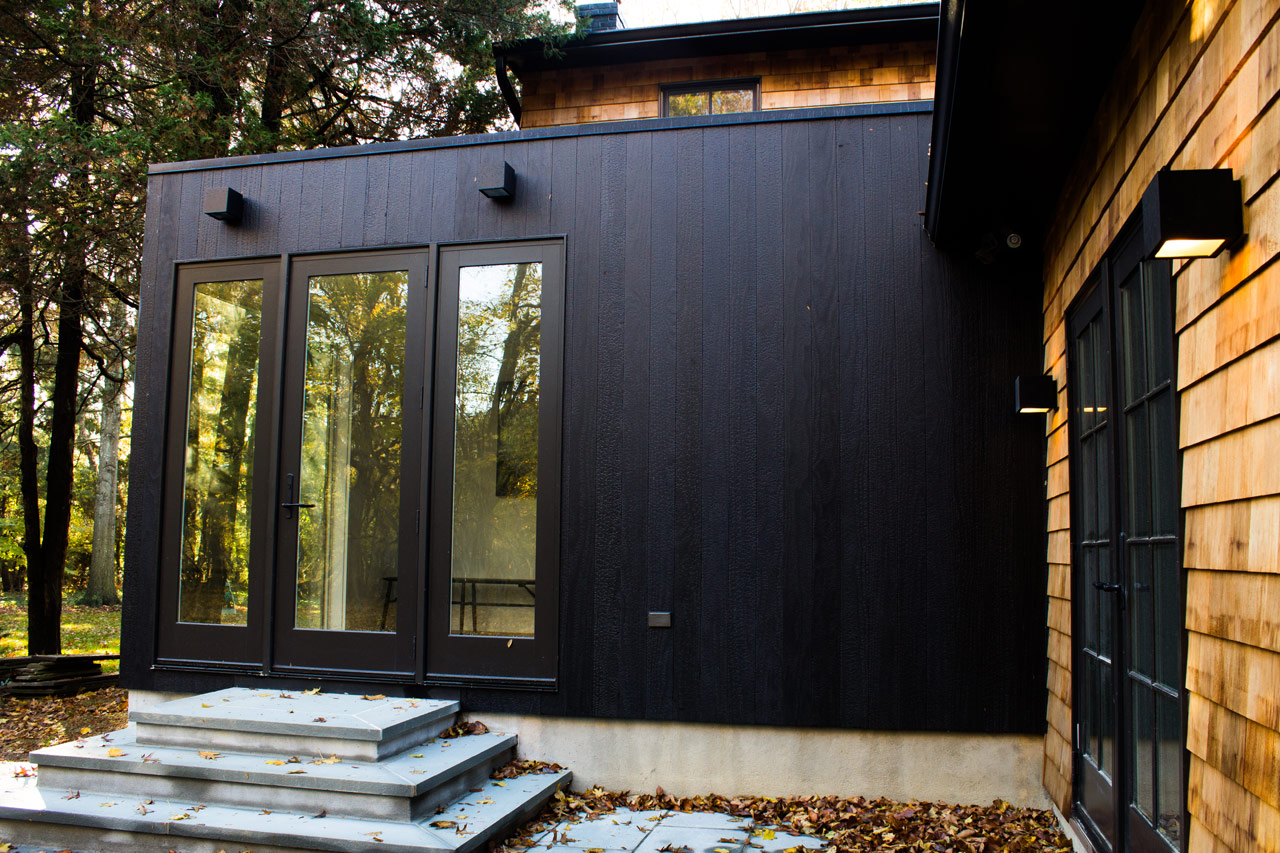
Charred wood cladding, inspired by the ancient Japanese technique of Shou Sugi Ban, has become a popular choice in modern architecture and design. This method involves charring the surface of the wood to create a durable and visually appealing finish. In this guide, we will delve into the benefits, applications, and maintenance of charred wood cladding, highlighting why it is a preferred material for contemporary building projects.
The Benefits of Charred Wood Cladding
Exceptional Durability
One of the most significant advantages of charred wood cladding is its exceptional durability. The charring process creates a carbonized layer on the surface of the wood, making it highly resistant to moisture, insects, and fire. This protective layer significantly extends the lifespan of the wood, making it an excellent choice for exterior applications.
Unique Aesthetic Appeal
Charred wood cladding offers a unique and striking appearance that can enhance the visual appeal of any building. The charring process brings out the natural grain and texture of the wood, creating a distinctive and elegant look. The deep, rich color of charred wood can complement various architectural styles, from traditional to modern designs.
Eco-Friendly Option
In addition to its practical and aesthetic benefits, charred wood cladding is an environmentally friendly choice. The process of charring the wood eliminates the need for chemical preservatives, making it a natural and non-toxic option. Furthermore, the extended lifespan of charred wood reduces the need for frequent replacements, contributing to sustainable building practices.
Applications of Charred Wood Cladding
Residential Homes
Charred wood cladding is an excellent choice for residential homes, offering both functional and aesthetic benefits. Its durability and weather resistance make it ideal for exterior walls, while its unique appearance adds a touch of sophistication to any home design. Whether used for the entire exterior or as an accent, charred wood cladding can transform the look of a residential property.
Commercial Buildings
In commercial architecture, charred wood cladding is gaining popularity for its ability to create visually striking and durable facades. Its distinctive appearance can help commercial buildings stand out, while its low maintenance requirements make it a practical choice for busy commercial settings. From offices to retail spaces, charred wood cladding adds a touch of elegance and professionalism.
Interior Design
Charred wood cladding is not limited to exterior applications; it is also a popular choice for interior design. It can be used to create feature walls, ceilings, and even flooring, adding warmth and character to interior spaces. The unique texture and appearance of charred wood make it a favorite among interior designers seeking to create memorable and inviting environments.
Maintenance of Charred Wood Cladding
Regular Cleaning
Maintaining charred wood cladding is relatively simple. Regular cleaning with a soft brush or cloth is usually sufficient to remove dust and debris. For exterior applications, periodic washing with water can help keep the surface looking fresh and vibrant. It's important to avoid using harsh chemicals or abrasive materials, as they can damage the charred surface.
Repairing Damage
While charred wood cladding is highly durable, it may occasionally require repairs. Small scratches or damaged areas can often be touched up with a simple re-charring process. For more extensive damage, replacing individual boards or sections may be necessary to maintain the overall appearance and integrity of the cladding. Regular inspections can help identify any areas that may need attention.
Long-Term Care
To ensure the longevity of charred wood cladding, it's essential to monitor its condition over time. Applying a protective oil or sealant every few years can help preserve the wood's appearance and enhance its durability. These treatments can also help maintain the color and texture of the charred surface, ensuring that the cladding continues to look its best for years to come.
Conclusion
Charred wood cladding is a versatile and innovative material that offers numerous benefits for modern construction and design. Its exceptional durability, unique aesthetic appeal, and eco-friendly properties make it a valuable choice for both residential and commercial projects. Whether used for exterior walls, interior features, or accent elements, charred wood cladding provides a beautiful and sustainable solution that stands the test of time.
Comments
Join the discussionNo comments yet. Be the first to comment.


